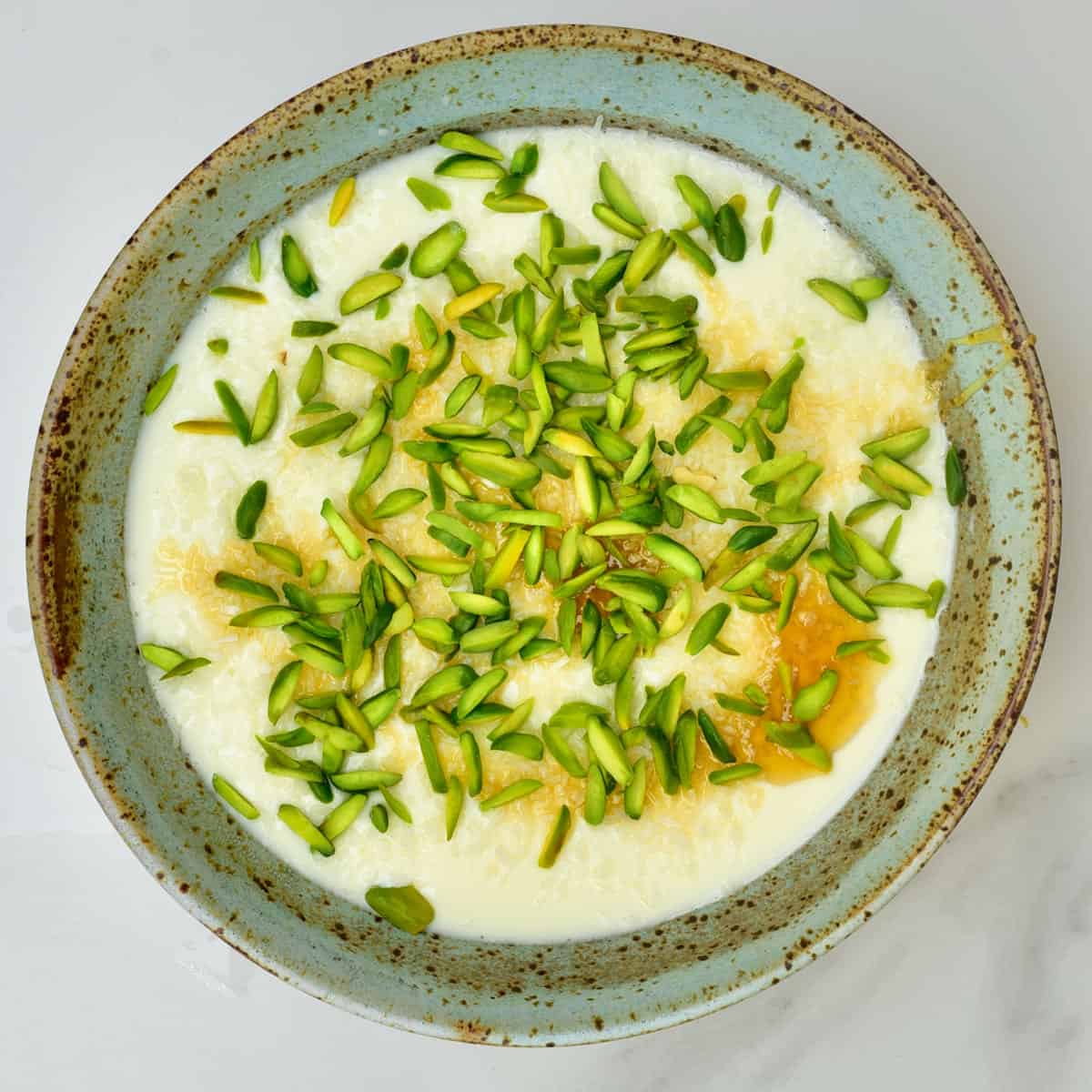
Discover the Magic of Silky Ginger Milk Pudding: A 2-Ingredient, No-Egg Delight
Imagine a dessert that’s effortlessly elegant, incredibly soothing, and requires only two primary ingredients. That’s the marvel of silky ginger milk pudding, also affectionately known as ginger curd or Jiang Zhi Zhuang Nai (姜汁撞奶) in Cantonese. This traditional Southern Chinese delicacy defies conventional pudding-making, delivering a velvety smooth texture without a single egg, starch, or gelatin in sight. It’s a testament to kitchen alchemy, transforming simple milk and fresh ginger juice into a truly magical treat in less than 10 minutes. If you’ve ever yearned for a light, comforting dessert that's both healthy and easy to prepare, your search ends here. This article will guide you through the fascinating science and simple steps to create your own perfect bowl of silky ginger milk pudding ginger curd, demystifying the process and equipping you with all the tips for a consistently successful outcome.Unraveling the Science Behind This Ginger Milk Curd
At its heart, ginger milk pudding is a culinary wonder, a hot dessert originating from China's Guangdong province. Its various names – ginger milk curd, ginger milk, or ginger juice milk curd – all point to the same delightful creation. What makes it so extraordinary is its reliance on a natural chemical reaction rather than traditional thickening agents. Think of it as a cousin to cheese or yogurt making, where an acid or enzyme causes milk to curdle and set. In the case of ginger milk pudding, the hero is an enzyme called protease, naturally present in fresh ginger. When precisely heated milk is poured onto fresh ginger juice, this protease enzyme gets to work. It breaks down the protein in the milk, causing it to coagulate and thicken into a soft, luxurious pudding. Unlike the distinct curds of cheese, ginger's enzymes gently transform the entire mixture into a remarkably smooth, silky consistency. This fascinating process is what gives the silky dessert without starch its almost mystical appeal.The Essential Ingredients for Your Silky Ginger Milk Pudding
While the magic lies in the interaction, the quality of your two main ingredients is paramount for the best silky ginger milk pudding ginger curd.Ginger: The Enzyme Powerhouse
- Type Matters: For optimal results, reach for older, more mature ginger. You'll recognize it by its tanner skin and more fibrous texture. Crucially, older ginger contains a higher concentration of the protease enzyme needed to effectively curdle the milk. Younger, less fibrous ginger may not yield the same firm set.
- Preparation: The key is fresh ginger juice. After peeling (a spoon works wonders for this!), grate or finely mince the ginger and then press it through a fine-mesh sieve or cheesecloth to extract every drop of potent juice. Avoid using pre-packaged ginger juice, as its enzyme activity may be compromised.
Milk: The Canvas for Creaminess
- Whole Dairy Milk is Best: For the most authentic taste and luscious texture, whole dairy milk is highly recommended. Its higher fat content contributes significantly to the pudding’s creaminess and overall mouthfeel.
- Traditional Choice: Historically, buffalo milk was (and still is in some regions) the milk of choice, prized for its richness. If you can source it, it's worth experimenting with for an even deeper flavor profile.
- Alternatives: While whole dairy milk is ideal, some have had success with full-fat non-dairy alternatives like soy milk, though results can vary. For your first attempt, stick to whole cow's milk for the highest chance of success.
Sugar (Optional, but Recommended)
While technically a 2-ingredient dessert, a touch of sugar or your preferred sweetener is often added to balance the inherent pungency and "heat" of the ginger. It mellows the flavor without overpowering it. However, be aware that too much sugar can slightly soften the final texture of your silky ginger milk pudding. For a healthier option, you can omit sugar in the pudding itself and rely on sweet toppings.
Step-by-Step Guide to Perfect Ginger Milk Curd
Making this dessert is surprisingly quick, often ready to enjoy in under 10 minutes from start to finish. Here’s how to master the technique for your own Cantonese ginger milk pudding that's silky smooth and ready in 10 mins.- Prepare the Ginger Juice: Extract about 1-2 tablespoons of fresh ginger juice per serving. It's crucial to use fresh, good quality ginger as discussed above. Pour the ginger juice into your serving bowls immediately. Do not let it sit for too long before adding the milk.
- Heat the Milk: Gently heat your whole milk in a saucepan. The ideal temperature is critical for the enzymes to work effectively. Aim for a temperature between 158°F to 176°F (70°C to 80°C). If you don't have a thermometer, heat the milk until small bubbles begin to form around the edges of the pan, but do not let it boil. If you added sugar, stir until it's fully dissolved.
- The "Magic Pour": This is the most crucial step! Once the milk reaches the correct temperature, immediately and swiftly pour it from a height (about 6-8 inches) into the bowl containing the fresh ginger juice. This height helps aerate and mix the milk and ginger juice properly, encouraging the enzymes to activate. Do not stir after pouring.
- Set and Wait: Cover the bowl with a lid or plate to trap the heat and let it sit undisturbed at room temperature for 5-10 minutes. Resist the urge to peek or stir during this time. The magic is happening!
- Test for Doneness: After 5-10 minutes, gently tap the side of the bowl. If it has set, the surface will ripple slightly but hold its shape, much like soft tofu or a delicate custard. A spoon should be able to rest on the surface without sinking.
Troubleshooting & Expert Tips for Silky Ginger Milk Pudding Success
While often described as "magic," this recipe does rely on precise conditions. Don't worry, even if your first attempt isn't perfect, these tips will help ensure your next bowl of silky ginger milk pudding ginger curd is flawlessly smooth.- Temperature is Key: This cannot be stressed enough. If the milk is too hot (boiling), it can denature the enzymes in the ginger, preventing it from setting. If it's too cold, the enzymes won't activate sufficiently. Invest in a kitchen thermometer if you want consistent results.
- Fresh and Fibrous Ginger: As mentioned, older ginger has more active enzymes. Younger ginger often leads to a runny pudding.
- Don't Stir: Once the milk is poured into the ginger juice, do not stir. Stirring disrupts the delicate setting process. The initial pour from a height is enough to combine them.
- Ratio Matters: Generally, a ratio of 1-2 tablespoons of ginger juice to 1 cup of milk works well. Adjust based on the strength of your ginger.
- Pre-warming Bowls: Some chefs recommend pre-warming your serving bowls to help maintain the milk's temperature during the setting phase, especially in cooler environments.
- The Pour: A swift, confident pour from a slight height (6-8 inches) ensures good mixing without needing to stir.
Customizing Your Ginger Milk Pudding Experience
Once you've mastered the basic silky ginger milk pudding, the possibilities for customization are endless.- Sweetness Level: Adjust the sugar to your preference, or use natural sweeteners like honey, maple syrup, or stevia. Remember, sugar can slightly soften the texture.
- Flavor Enhancements: A pinch of ground cinnamon or star anise added to the milk during heating can impart subtle aromatic notes.
- Toppings Galore: This is where you can truly make it your own!
- Crunchy: Crushed pistachios, almonds, peanuts, or candied pecans.
- Fruity: Fresh berries, mango cubes, or a sprinkle of lemon zest for a refreshing lift.
- Creamy/Saucy: A drizzle of raw honey, maple syrup, condensed milk, or even a dollop of whipped cream.
- Exotic: Toasted coconut flakes, black sesame seeds, or a sprinkle of matcha powder.
